Matamu: A Handwritten Script Font for Modern Web Design
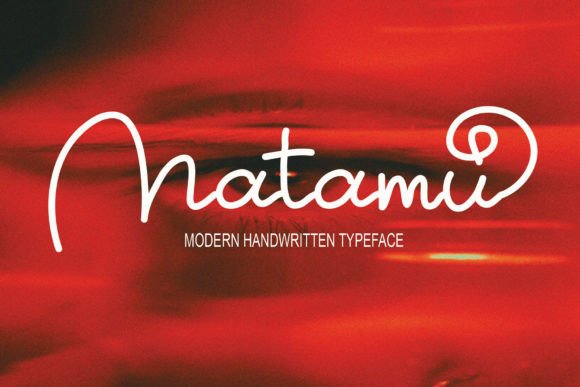
When selecting Fonts for a digital project, the choice of a Script Handwritten typeface like Matamu can instantly transform the user experience from sterile to personal. Matamu is a script font written by hand using a tablet, offering a unique blend of organic flow and digital precision that is essential for modern interface design. Unlike traditional calligraphy fonts that often struggle with screen rendering, this typeface was very carefully written to ensure clarity across various devices. For web designers and UI creators, finding a balance between aesthetic warmth and functional readability is a constant challenge, and Matamu addresses this by providing a clean, simple structure that works beautifully in headers, hero sections, and branded content areas.
Enhancing Visual Hierarchy on Landing Pages with Matamu
In the context of high-converting landing pages, visual hierarchy dictates how a user scans information, and integrating Matamu into your Fonts library offers a powerful tool for guiding attention. As a Script Handwritten option, Matamu excels when used for hero titles or section headings where you need to break the monotony of standard sans-serif layouts. Because Matamu is a script font written by hand using a tablet, it carries a natural rhythm that feels inviting rather than robotic, encouraging users to pause and read the value proposition. This simple but carefully written style ensures that even at larger sizes, the letterforms remain distinct, preventing the "blobbing" effect common in lower-quality script fonts. When designing a SaaS product page or a coaching website, placing Matamu above a clean subheadline creates an immediate emotional connection, signaling that the brand behind the screen is human-centric and approachable.
Optimizing Call-to-Action Buttons and Short Phrases
While body copy usually requires neutral typography, short phrases and call-to-action buttons benefit significantly from the personality of Matamu. When browsing through premium Fonts, designers often look for a Script Handwritten style that retains legibility at smaller scales, and Matamu fits this niche perfectly. Since Matamu is a script font written by hand using a tablet, the stroke widths are consistent enough to remain readable on mobile screens, provided there is sufficient contrast against the background. You might use this font for a "Sign Up" button on a creative portfolio or a "Learn More" link in a newsletter banner to add a touch of elegance without sacrificing usability. The simplicity of the design means it doesn't overwhelm the user, making it an ideal choice for decorative accents that drive conversion-focused layouts.
Building Consistent Brand Identity for Online Stores
For e-commerce entrepreneurs and online store owners, establishing a consistent online identity is crucial for building trust, and Matamu serves as a versatile asset within a broader suite of Fonts. A Script Handwritten typeface can define the tone of a boutique shop, suggesting craftsmanship and attention to detail. Given that Matamu is a script font written by hand using a tablet, it bridges the gap between artisanal quality and modern digital presentation. This makes it particularly effective for product banners, sale announcements, or testimonial sections where a personal touch increases credibility. Whether you are selling handmade jewelry or digital courses, using Matamu in your branding materials ensures that your visual language remains cohesive across social media graphics, email headers, and website banners.
Pairing Matamu with Sans Serif and Serif Typefaces
To maximize the impact of Matamu in web design, understanding font pairing is essential for creating balanced and professional layouts. When working with this Script Handwritten style, it is best to pair it with neutral Fonts for body text to maintain readability. Since Matamu is a script font written by hand using a tablet with a simple structure, it pairs exceptionally well with geometric sans-serif fonts for a modern, clean look, or with editorial serif fonts for a more sophisticated, luxury feel. For instance, on a wedding invitation website or a lifestyle blog, combining Matamu for headings with a lightweight sans-serif for paragraphs creates a clear distinction between narrative and navigation. This contrast helps users scan content efficiently while enjoying the aesthetic appeal of the handwritten elements.
Ensuring Readability Across Mobile and Desktop Devices
Responsive design demands that typography performs flawlessly regardless of screen size, and Matamu is engineered to meet these technical requirements among other display Fonts. As a Script Handwritten typeface, its primary advantage lies in its careful construction; because Matamu is a script font written by hand using a tablet, the curves and terminals are optimized to prevent pixelation on low-resolution displays. For mobile-first designs, this means you can confidently use Matamu in navigation menus or introductory text without worrying about characters merging together. However, designers should still adhere to best practices by ensuring adequate line height and avoiding the use of all-caps, which can reduce the legibility of script styles. By testing Matamu on dark backgrounds, light backgrounds, and image overlays, you can verify that the contrast ratios meet accessibility standards, ensuring your content is inclusive and easy to read for all visitors.
Licensing Considerations for Commercial Web Projects
Before integrating Matamu into client projects or commercial products, it is vital to understand the licensing terms associated with these specific Fonts. While Matamu is a script font written by hand using a tablet and suitable for various applications like websites, wedding invitations, business cards, signatures, and advertisements, commercial usage often requires a specific license. Web designers creating digital products, online stores, or branded web experiences must ensure they have the right to embed the font files or use them in generated images for profit. Checking for webfont availability, file formats, and multilingual support is also a necessary step in the workflow to guarantee that the Script Handwritten aesthetic translates correctly across different browsers and languages. Securing the proper license not only protects your work legally but also supports the creators who develop these high-quality design assets.